
Professions
Your Healthcare Resources Matter to Us

Prison Nurse
Work with a multidisciplinary team of general practitioners, pharmacy teams, support staff, dentists, physiotherapists, paramedics, psychologists, psychiatrists, and prison personnel. We offer positions for both RGNs and RMNs.

Pharmaceutics
You will work in a clinical or retail environment in pharmacy. Along with many other responsibilities, you will either help with or administer medication. You play a crucial part in making sure clients receive the right medication and care
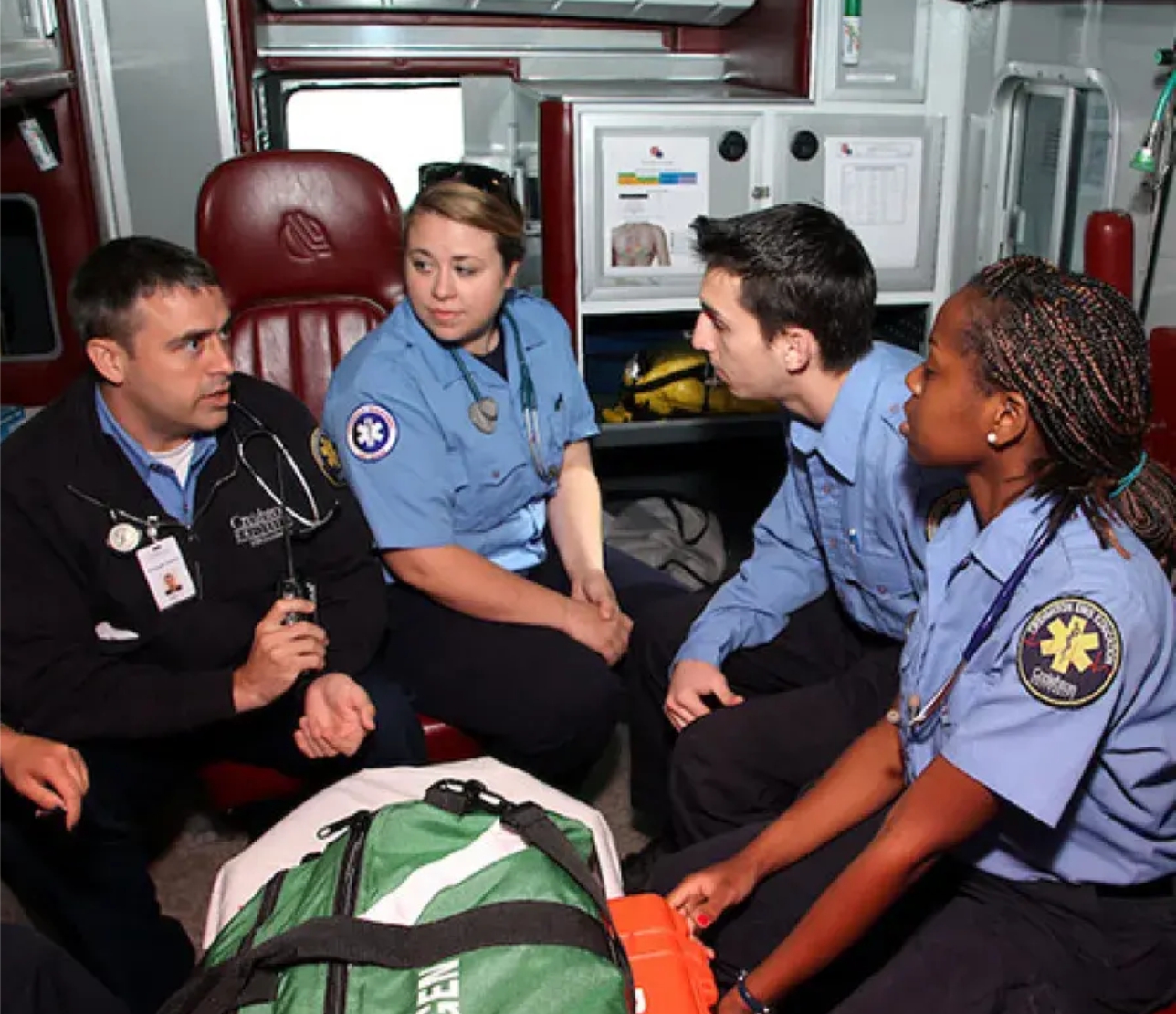
Paramedics
A paramedic is a healthcare professional trained in the medical model, whose main role has historically been to respond to emergency calls for medical help outside of a hospital. Paramedics work as part of the emergency medical services, most often in ambulances

Care Assistants
Helping the nursing team in a variety of ways, healthcare assistants ensure that patients have the most comfortable and stress-free experience possible. Working in a hospital, doctor's office, or in the community at large, such as a residential care facility that cares for the elderly or in a home

Registered Nurses
Registered nurses (RNs) provide comprehensive patient care, administering treatments, medications, and monitoring vital signs, while also collaborating with medical teams and educating patients and their families. Develop and implement comprehensive nursing care plans tailored to each patient. Administer treatments, medications, and IV therapy, while closely monitoring patients' responses.

Mental Health
Encourage and assist someone in their recovery so they can have autonomous and satisfying lives. While giving advice to another on appropriate therapies or social activities, you might assist one individual in taking their medication as prescribed. In the community, you might work in a community health center or someone's home, although you'll typically be stationed in hospitals, mental wards, or specialty units.
Featured Vacances?
Need Help Writing Your CV?
We know and understand what most healthcare institutes are looking for in any potentially qualified or skilled professional. Our experienced team is happy to assist you in composing a well documented and resource sufficient resume.
HOW TO WRITE A GOOD CV
Begin your application by providing your personal details and contact information, no supporting documents, certificates, or recommendation letters are required at this stage. Ensure your application includes, dated qualifications and work experience, brief explanations for any gaps in employment dates, universally recognized job titles (instead of internal titles), clear and concise descriptions of your key strengths and capabilities, avoiding general statements.
Focus on highlighting your relevant skills and experience and include…
- Were you employed by a well-known company?
- If the company isn’t well-known, state the scope and size of business.
- Do you have a rare skill set?
- State the size and scope of your responsibilities such as: number of people, budget.
- What are your achievements? Use adverbs where possible, e.g. “successfully implemented ….”
FORMATTING YOUR CV CORRECTLY
- Aim to keep your CV to 2-3 pages preferably in Microsoft Word (interim CV’s may be longer).
- Include page numbering and your name on each page.
- Space the text out – with clear breaks in between sections.
- Use bullet points to pull out key information.
- Write in the third person ie avoid using “I was involved with ….” And instead use “Responsible for ….”
or “Achieved …”
CHECK & REVIEW IMPORTANT AREAS
- Is my CV realistic? Don’t exaggerate or undersell
- Is the content relevant to the job you are applying for
- Would you want to meet you if you read your CV